Keynote Speakers

Prof. Mauro
Vallati
Manchester Metropolitan University, UK
Prof. Mauro Vallati is a UKRI Future Leaders Fellow and ACM Distinguished Speaker on Artificial Intelligence (AI) for the UK. He has extensive experience in real-world applications of AI methods and techniques, spanning from healthcare to train dispatching. In 2014, he started working on AI applied to the field of urban traffic control, a line of research that led to numerous high-impact academic publications, patents filed in the United Kingdom, China, and the United States, as well as the deployment of the resulting techniques in urban areas of the United Kingdom.
Manchester Metropolitan University, UK
Prof. Mauro Vallati is a UKRI Future Leaders Fellow and ACM Distinguished Speaker on Artificial Intelligence (AI) for the UK. He has extensive experience in real-world applications of AI methods and techniques, spanning from healthcare to train dispatching. In 2014, he started working on AI applied to the field of urban traffic control, a line of research that led to numerous high-impact academic publications, patents filed in the United Kingdom, China, and the United States, as well as the deployment of the resulting techniques in urban areas of the United Kingdom.
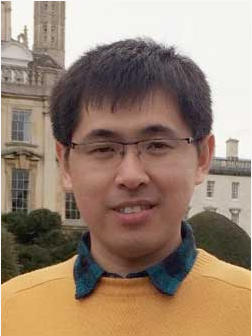
Prof. Dezong Zhao
University of Glasgow, UK
Dr. Dezong Zhao is a Professor of Autonomous Systems at the James Watt School of Engineering, University of Glasgow, UK. He obtained his BEng and MSc degrees from Shandong University and his PhD degree from Tsinghua University, all in Control Engineering. His research focuses on autonomous vehicles, robotics, machine intelligence, control engineering, and digital twinning. He was awarded a Royal Academy of Engineering / Leverhulme Trust Research Fellowship in 2025, a Turing Fellowship in 2024, a Royal Society-Newton Advanced Fellowship in 2020, and an EPSRC Innovation Fellowship in 2018. He has secured multiple major grants from EPSRC, Innovate UK, the Royal Society, and the Royal Academy of Engineering. He is a Co-Investigator on the £46m EPSRC Digital Twinning Hub for Decarbonising Transport (2024–2029) and the Glasgow Principal Investigator on the £1.82m EPSRC Network+ Hub on Multimodal AI (2025-2027). He has published over 150 papers in high-impact journals and conferences and has received many accolades.
University of Glasgow, UK
Dr. Dezong Zhao is a Professor of Autonomous Systems at the James Watt School of Engineering, University of Glasgow, UK. He obtained his BEng and MSc degrees from Shandong University and his PhD degree from Tsinghua University, all in Control Engineering. His research focuses on autonomous vehicles, robotics, machine intelligence, control engineering, and digital twinning. He was awarded a Royal Academy of Engineering / Leverhulme Trust Research Fellowship in 2025, a Turing Fellowship in 2024, a Royal Society-Newton Advanced Fellowship in 2020, and an EPSRC Innovation Fellowship in 2018. He has secured multiple major grants from EPSRC, Innovate UK, the Royal Society, and the Royal Academy of Engineering. He is a Co-Investigator on the £46m EPSRC Digital Twinning Hub for Decarbonising Transport (2024–2029) and the Glasgow Principal Investigator on the £1.82m EPSRC Network+ Hub on Multimodal AI (2025-2027). He has published over 150 papers in high-impact journals and conferences and has received many accolades.
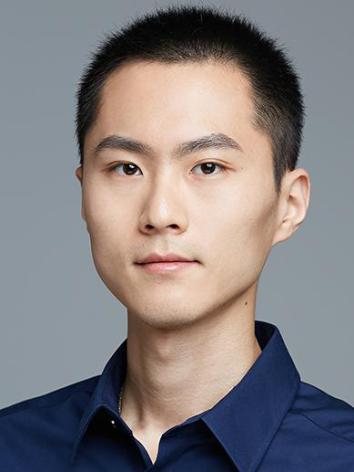
Assoc. Prof. Lyu Chen
Nanyang Technological University, Singapore
Dr. LYU, Chen is an Associate Professor at the School of Mechanical and Aerospace Engineering, Nanyang Technological University, with a joint appointment at the School of Electrical and Electronic Engineering. He is also the Director of the AutoMan Research Lab, Cluster Director at ERI@N, and Program Lead at the Schaeffler-NTU Joint Lab. Dr. Lyu obtained his Ph.D. in Automotive Engineering from Tsinghua University, China, with a joint Ph.D. from UC Berkeley. Prior to joining NTU, he was a Research Fellow at Cranfield University, UK. His research interests include autonomous driving, human-machine collaboration, robotics, and CPS. He has authored four books, published over 100 papers, and holds 12 patents. He serves as an Associate Editor for top-tier journals, including IEEE Transactions on Intelligent Transportation Systems. He is elected as IEEE VTS Motor Vehicles Committee Member, the only delegate from Asia. He has received numerous awards, including the SAE Ralph R. Teetor Educational Award (2023), the Nanyang Research Award (Young Investigator) in 2022, and the Machines Young Investigator Award (2021).
Nanyang Technological University, Singapore
Dr. LYU, Chen is an Associate Professor at the School of Mechanical and Aerospace Engineering, Nanyang Technological University, with a joint appointment at the School of Electrical and Electronic Engineering. He is also the Director of the AutoMan Research Lab, Cluster Director at ERI@N, and Program Lead at the Schaeffler-NTU Joint Lab. Dr. Lyu obtained his Ph.D. in Automotive Engineering from Tsinghua University, China, with a joint Ph.D. from UC Berkeley. Prior to joining NTU, he was a Research Fellow at Cranfield University, UK. His research interests include autonomous driving, human-machine collaboration, robotics, and CPS. He has authored four books, published over 100 papers, and holds 12 patents. He serves as an Associate Editor for top-tier journals, including IEEE Transactions on Intelligent Transportation Systems. He is elected as IEEE VTS Motor Vehicles Committee Member, the only delegate from Asia. He has received numerous awards, including the SAE Ralph R. Teetor Educational Award (2023), the Nanyang Research Award (Young Investigator) in 2022, and the Machines Young Investigator Award (2021).
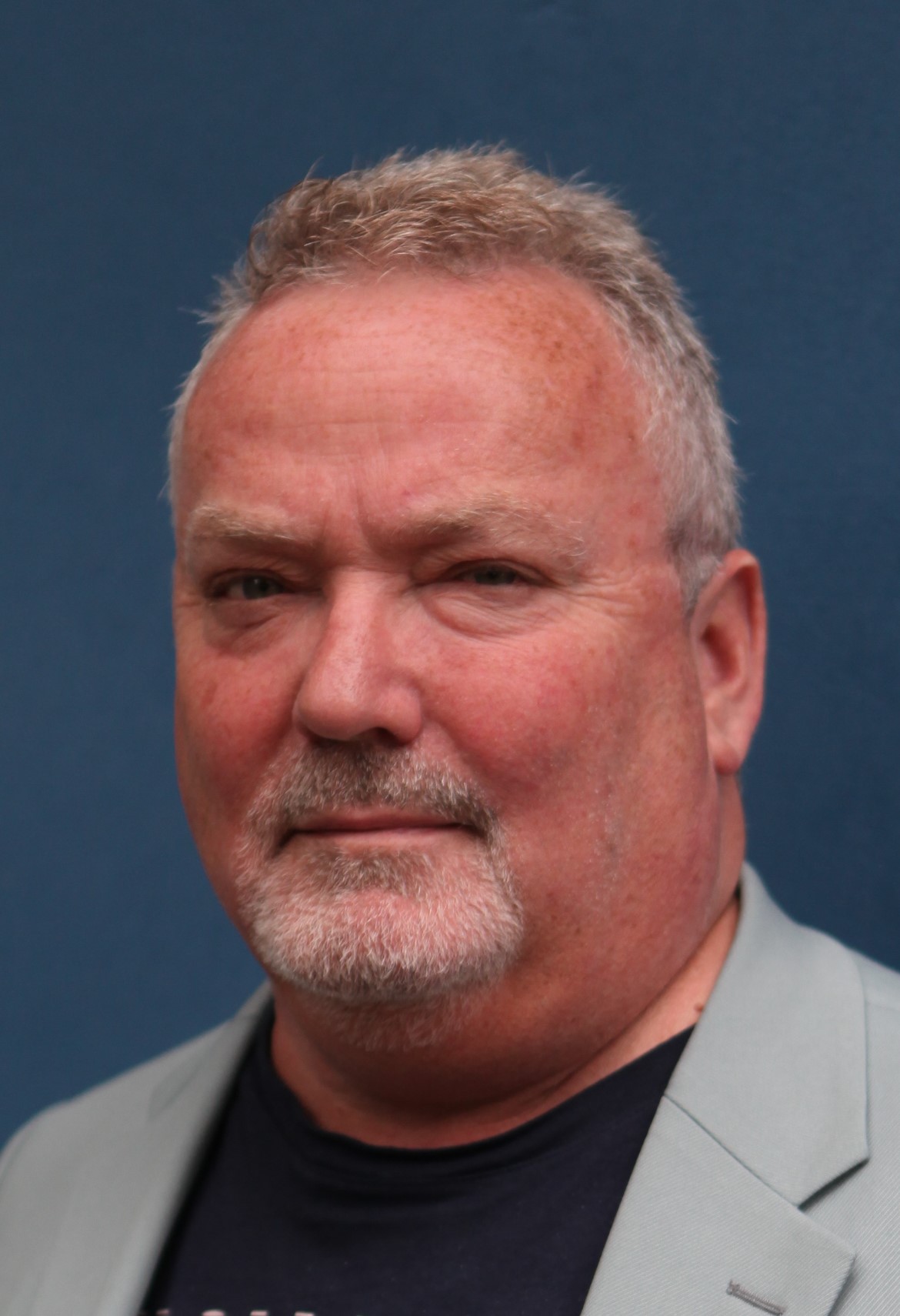
Prof. Phil Blythe CBE FREng CEng FIET FCIHT
Newcastle University, UK
Phil is a Fellow of the Royal Academy of Engineering and Professor of Intelligent Transport Systems (ITS) at Newcastle University where he leads the Future Mobility Group. Phil’s research focus has been in the interface between policy and technology in areas, such as: connected and autonomous vehicles; electro-mobility; decarbonising transport, smart traffic management, resilience; and age-friendly, accessible transport. Previously, Phil was Chief Scientific Adviser for the UK’s DfT (2015-2021). In this role at the DfT he provides a challenge function to the Department on the use of science and engineering evidence in policy making and also ensuring the Department was best informed on new innovations and technologies that may impact on the delivery of transport schemes and policy, he was also Director of Governments Future Mobility Grand Challenge. In his CSA role, he also led the science team that developed the underpinning science advice for the re-start and recovery of UK Transport during the Covid-19 pandemic and was a member of SAGE throughout the emergency. Phil is currently leading DARe the national Hub for Decarbonised, Adaptable and climate Resilient transport Infrastructure funded by the DfT and UKRI. Phil’s research team are also part of the regional innovation activities delivering automated road vehicles and smart traffic management in Sunderland and the NE. Phil is a member of the National Advisory Group helping to deliver the 2027 ITS World Congress in Birmingham. Phil was awarded a CBE in the 2022 New Year Honours for services to Science and Engineering in Transport and Government.
Newcastle University, UK
Phil is a Fellow of the Royal Academy of Engineering and Professor of Intelligent Transport Systems (ITS) at Newcastle University where he leads the Future Mobility Group. Phil’s research focus has been in the interface between policy and technology in areas, such as: connected and autonomous vehicles; electro-mobility; decarbonising transport, smart traffic management, resilience; and age-friendly, accessible transport. Previously, Phil was Chief Scientific Adviser for the UK’s DfT (2015-2021). In this role at the DfT he provides a challenge function to the Department on the use of science and engineering evidence in policy making and also ensuring the Department was best informed on new innovations and technologies that may impact on the delivery of transport schemes and policy, he was also Director of Governments Future Mobility Grand Challenge. In his CSA role, he also led the science team that developed the underpinning science advice for the re-start and recovery of UK Transport during the Covid-19 pandemic and was a member of SAGE throughout the emergency. Phil is currently leading DARe the national Hub for Decarbonised, Adaptable and climate Resilient transport Infrastructure funded by the DfT and UKRI. Phil’s research team are also part of the regional innovation activities delivering automated road vehicles and smart traffic management in Sunderland and the NE. Phil is a member of the National Advisory Group helping to deliver the 2027 ITS World Congress in Birmingham. Phil was awarded a CBE in the 2022 New Year Honours for services to Science and Engineering in Transport and Government.
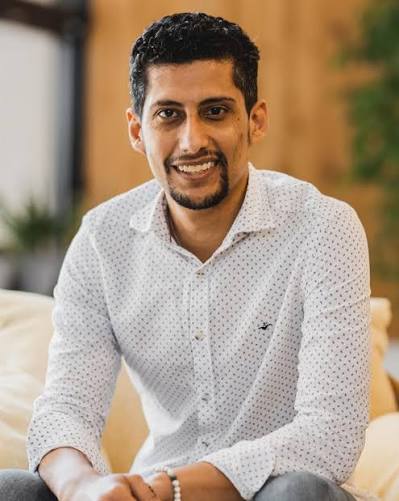
Assoc. Prof. Abdulla Al-Kaff
Universidad Carlos III de Madrid, Spain
Dr. Abdulla Al-Kaff is an Associate Professor and Co-Director of the Autonomous Mobility and Perception Lab at Universidad Carlos III de Madrid and serves as Chief Business Development Officer at Seevia Technologies. His research has significantly contributed to intelligent transportation systems and robotics. He has authored over 60 international journal articles and conference papers, focusing on pioneering areas such as artificial intelligence, deep learning, and autonomous vehicle systems. Dr. Al-Kaff's leadership extends beyond academia into significant IEEE roles. He currently serves as Co-Chair of the Spanish Chapter of IEEE ITSS and as Associate Editor for the IEEE Open Journal of Intelligent Transportation Systems. A demonstrated leader, Dr. Al-Kaff has successfully managed 32 projects, including competitive national and European projects and numerous collaborations with industry. Additionally, Dr. Al-Kaff co-founded Spain FlyingLab, part of a global hub that connects experts in drones, data, robotics, and AI professional services, fostering interdisciplinary research and practical applications in intelligent transportation.
Universidad Carlos III de Madrid, Spain
Dr. Abdulla Al-Kaff is an Associate Professor and Co-Director of the Autonomous Mobility and Perception Lab at Universidad Carlos III de Madrid and serves as Chief Business Development Officer at Seevia Technologies. His research has significantly contributed to intelligent transportation systems and robotics. He has authored over 60 international journal articles and conference papers, focusing on pioneering areas such as artificial intelligence, deep learning, and autonomous vehicle systems. Dr. Al-Kaff's leadership extends beyond academia into significant IEEE roles. He currently serves as Co-Chair of the Spanish Chapter of IEEE ITSS and as Associate Editor for the IEEE Open Journal of Intelligent Transportation Systems. A demonstrated leader, Dr. Al-Kaff has successfully managed 32 projects, including competitive national and European projects and numerous collaborations with industry. Additionally, Dr. Al-Kaff co-founded Spain FlyingLab, part of a global hub that connects experts in drones, data, robotics, and AI professional services, fostering interdisciplinary research and practical applications in intelligent transportation.
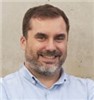
Assoc. Prof. Fernando García Fernandez
Universidad Carlos III de Madrid, Spain
Fernando Garcia Fernandez is an Associate Professor at Universidad Carlos III de Madrid and head of the Autonomous Mobility and Perception Lab (AMPL). He is also a visiting professor at The Hague University of Applied Sciences and a member of the Board of Governors of the ITSS-IEEE Society, Member of the Transportation Electrification Community Steering Committee, and founder of SAVIA Technologies, a spin-off from Universidad Carlos III de Madrid. During his academic career, Fernando has published more than 100 articles in the Intelligent Transportation Systems field, has been granted 6 patents and has served as a visiting researcher at the University at Buffalo, the University of Parma and Universidad de las Fuerzas Armadas de Ecuador. Fernando is an expert in computer vision and data fusion, with a focus on Intelligent Transportation Systems, infrastructure maintenance, and quality control.
Universidad Carlos III de Madrid, Spain
Fernando Garcia Fernandez is an Associate Professor at Universidad Carlos III de Madrid and head of the Autonomous Mobility and Perception Lab (AMPL). He is also a visiting professor at The Hague University of Applied Sciences and a member of the Board of Governors of the ITSS-IEEE Society, Member of the Transportation Electrification Community Steering Committee, and founder of SAVIA Technologies, a spin-off from Universidad Carlos III de Madrid. During his academic career, Fernando has published more than 100 articles in the Intelligent Transportation Systems field, has been granted 6 patents and has served as a visiting researcher at the University at Buffalo, the University of Parma and Universidad de las Fuerzas Armadas de Ecuador. Fernando is an expert in computer vision and data fusion, with a focus on Intelligent Transportation Systems, infrastructure maintenance, and quality control.
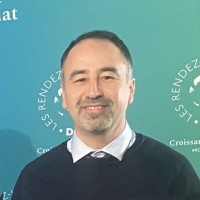
Prof. Lounis Adouane
Université de Technologie de Compiègne, France
Lounis Adouane received the Ph.D. degree in automatic control from the FEMTO-ST Laboratory, ENSMM, France, in 2005, and the H.D.R. (habilitation to steer research in robotics) degree from Blaise Pascal University, in 2015. Lounis Adouane has been a Full Professor at Heudiasyc – UTC (Université de Technologie de Compiègne, France) since September 2019, and he was Associate Professor between 2006 and 2019 at the Institut Pascal (IP) - Polytech Clermont- Ferrand. In IP, he led between 2018 and 2019 the ISPR group (80 persons, Images, Perception Systems and Robotics). Between 2015 and 2019 he was also the deputy director of the MACCS research team (27 persons, Modeling, Autonomy and Control in Complex Systems). Dr. Adouane is an active member of the international community of mobile robotics / autonomous vehicles. He is a member of the Technical Committee of Intelligent Autonomous Vehicles – IFAC (as Industry Vice Chair) and he serves as a Senior Editor Board Member of the Journal of Intelligent and Robotic Systems (JIRS). In this same journal, he is also the lead guest editor of the Topical Collection “Reliability and Safety of Intelligent Vehicles”. He also served as a guest editor in several international journals, such as RAS (Robotics and Autonomous Systems) and IJIRA (Intelligent Robotics and Applications). Further, he co-organized and chaired several international workshops in high-impact international conferences. Dr. Adouane often serves as associate editor at the main international conferences on robotics/control and intelligent vehicles, such as IV, ITSC, ICRA, IROS, or IFAC World Congress. He has participated in more than 70 program committees of international conferences and workshops. Dr. Adouane’s current research focuses on Intelligent Vehicles (autonomous and clean), more specifically, his research focuses on two main topics: Autonomous navigation of mobile robots/vehicles in complex environments and Cooperative control architectures for multi-robot/vehicle systems.
Université de Technologie de Compiègne, France
Lounis Adouane received the Ph.D. degree in automatic control from the FEMTO-ST Laboratory, ENSMM, France, in 2005, and the H.D.R. (habilitation to steer research in robotics) degree from Blaise Pascal University, in 2015. Lounis Adouane has been a Full Professor at Heudiasyc – UTC (Université de Technologie de Compiègne, France) since September 2019, and he was Associate Professor between 2006 and 2019 at the Institut Pascal (IP) - Polytech Clermont- Ferrand. In IP, he led between 2018 and 2019 the ISPR group (80 persons, Images, Perception Systems and Robotics). Between 2015 and 2019 he was also the deputy director of the MACCS research team (27 persons, Modeling, Autonomy and Control in Complex Systems). Dr. Adouane is an active member of the international community of mobile robotics / autonomous vehicles. He is a member of the Technical Committee of Intelligent Autonomous Vehicles – IFAC (as Industry Vice Chair) and he serves as a Senior Editor Board Member of the Journal of Intelligent and Robotic Systems (JIRS). In this same journal, he is also the lead guest editor of the Topical Collection “Reliability and Safety of Intelligent Vehicles”. He also served as a guest editor in several international journals, such as RAS (Robotics and Autonomous Systems) and IJIRA (Intelligent Robotics and Applications). Further, he co-organized and chaired several international workshops in high-impact international conferences. Dr. Adouane often serves as associate editor at the main international conferences on robotics/control and intelligent vehicles, such as IV, ITSC, ICRA, IROS, or IFAC World Congress. He has participated in more than 70 program committees of international conferences and workshops. Dr. Adouane’s current research focuses on Intelligent Vehicles (autonomous and clean), more specifically, his research focuses on two main topics: Autonomous navigation of mobile robots/vehicles in complex environments and Cooperative control architectures for multi-robot/vehicle systems.
Continuously Updating...